

That Crack Keeps Coming Back — Here’s What You’re Missing
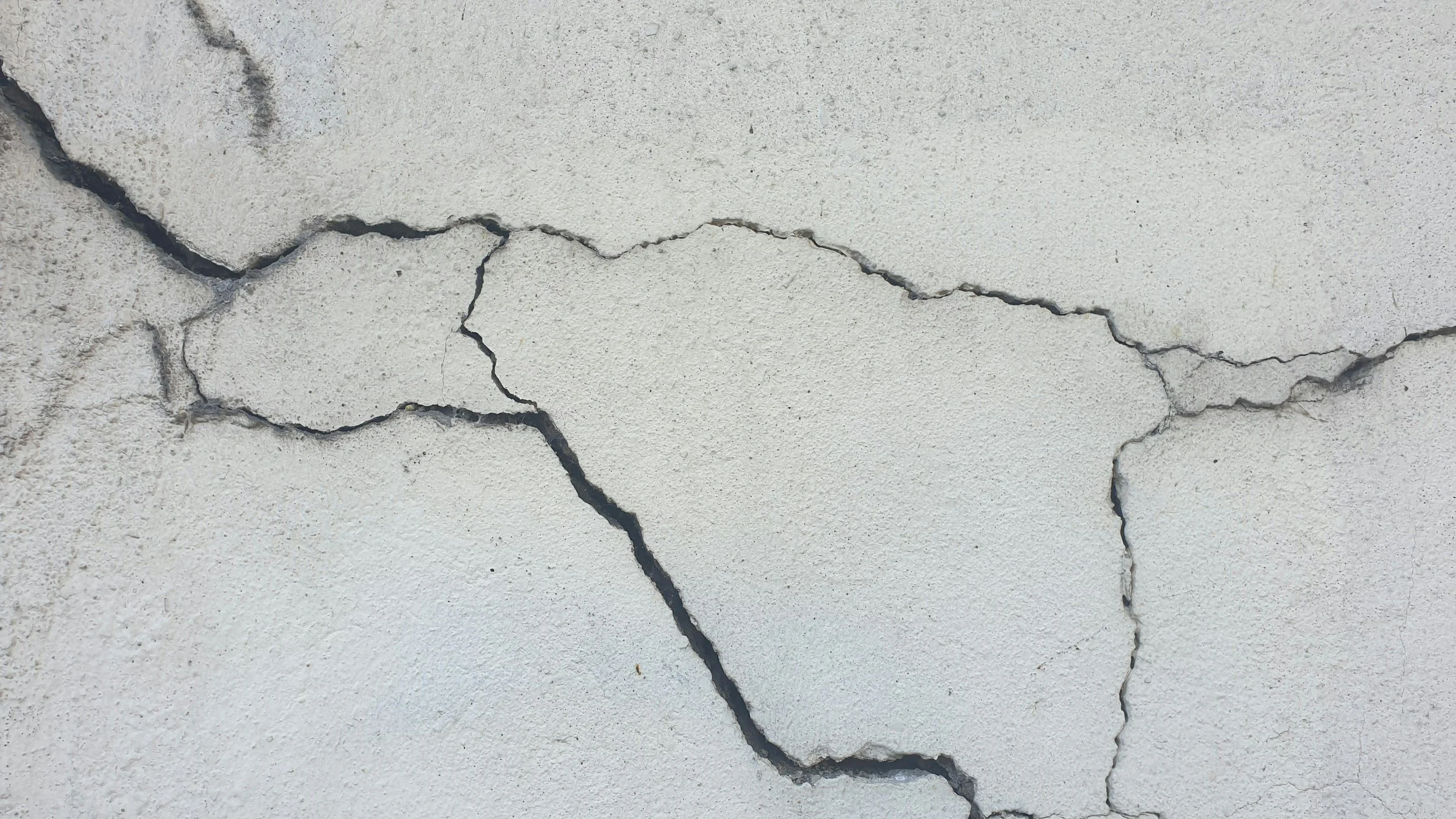
When it’s not just a surface issue
A crack gets filled, it looks better for a while, and then it shows up again.
Same area. Same type of crack. Sometimes slightly wider or just off to the side.
At that point, it’s no longer cosmetic. It’s a pattern.
What you’re seeing
On the surface, it looks simple.
A stucco crack. A joint opening up. Paint breaking along a line.
It feels like something that just needs to be sealed and repainted, especially if it was handled before.
But the fact that it came back is the part that matters.
What it usually means
When a crack returns, it’s usually because that section of the home is still moving or still taking on moisture.
Not dramatically. Just enough that whatever was used to repair it can’t keep up.
That movement can come from normal expansion and contraction, but when it repeats in the same area, it’s usually being influenced by something nearby.
That’s why it doesn’t stay fixed.
What to check
Before repairing it again, step back and look at the area around it.
Start with:
• What’s directly above it, especially roof lines or areas where water comes off the roof
• Whether it lines up with a window, door, or opening in the wall
• Any place where materials change, like stucco meeting trim or siding
• Whether there are signs of previous repairs in that same section
• If water tends to run down or collect in that area during rain
You’re not trying to diagnose the exact cause. You’re trying to see if that area is being affected consistently.
What matters and what doesn’t
What matters is whether that section of the exterior is stable.
If it’s still shifting or still getting exposed to moisture, the crack will return no matter how well it’s repaired.
What doesn’t matter is how clean the repair looked the last time. Even a good repair won’t hold if the surrounding condition hasn’t changed.
What this looks like over time
Most of these situations follow the same pattern.
The crack is repaired and looks fine.
Then it comes back in the same spot or very close to it.
Then another small area nearby starts to show similar signs.
At that point, it’s not a one-off issue. It’s a section of the home that is reacting to the same condition over and over.
What to do next
If this is the first time you’re seeing it and it’s minor, it may just need a simple repair.
But if it has come back, treat it differently.
Look at the entire section, not just the line.
Pay attention to what’s above it, what’s next to it, and whether that area handles more water or movement than the rest of the wall.
That’s where the answer usually is.
What to avoid
Avoid repeating the same repair without stepping back.
That’s where people lose time and money. It keeps getting handled as a small issue, even though it’s not behaving like one.
Also avoid focusing only on the appearance. Making it look better doesn’t mean the condition has changed.
When to take it more seriously
If the crack continues to return, spreads, or starts showing up in multiple places in the same area, assume it’s part of a larger condition.
At that point, it’s not about fixing the crack. It’s about understanding what’s affecting that section of the exterior.
Final thought
A crack that comes back is not random.
It’s a signal that something in that area hasn’t been addressed yet.
Until that changes, the result won’t either.
Disclaimer
This article is provided for general educational purposes only and is intended to help homeowners better understand common conditions related to roof leaks and moisture intrusion. It is not a diagnosis, a scope of work, or a recommendation for any specific repair.
Every home is different. Conditions can vary based on age, materials, prior work, weather exposure, and construction methods. What appears to be a minor issue may involve underlying conditions that are not visible without a proper on site evaluation.
No action should be taken based solely on this information. Any inspection, repair, or replacement decisions should be made with a qualified professional who can assess the specific conditions of the property.
The author and publisher assume no responsibility or liability for any actions taken or not taken based on the content of this article, or for any outcomes resulting from reliance on this information.
