

What a Roof Inspection Should Actually Include
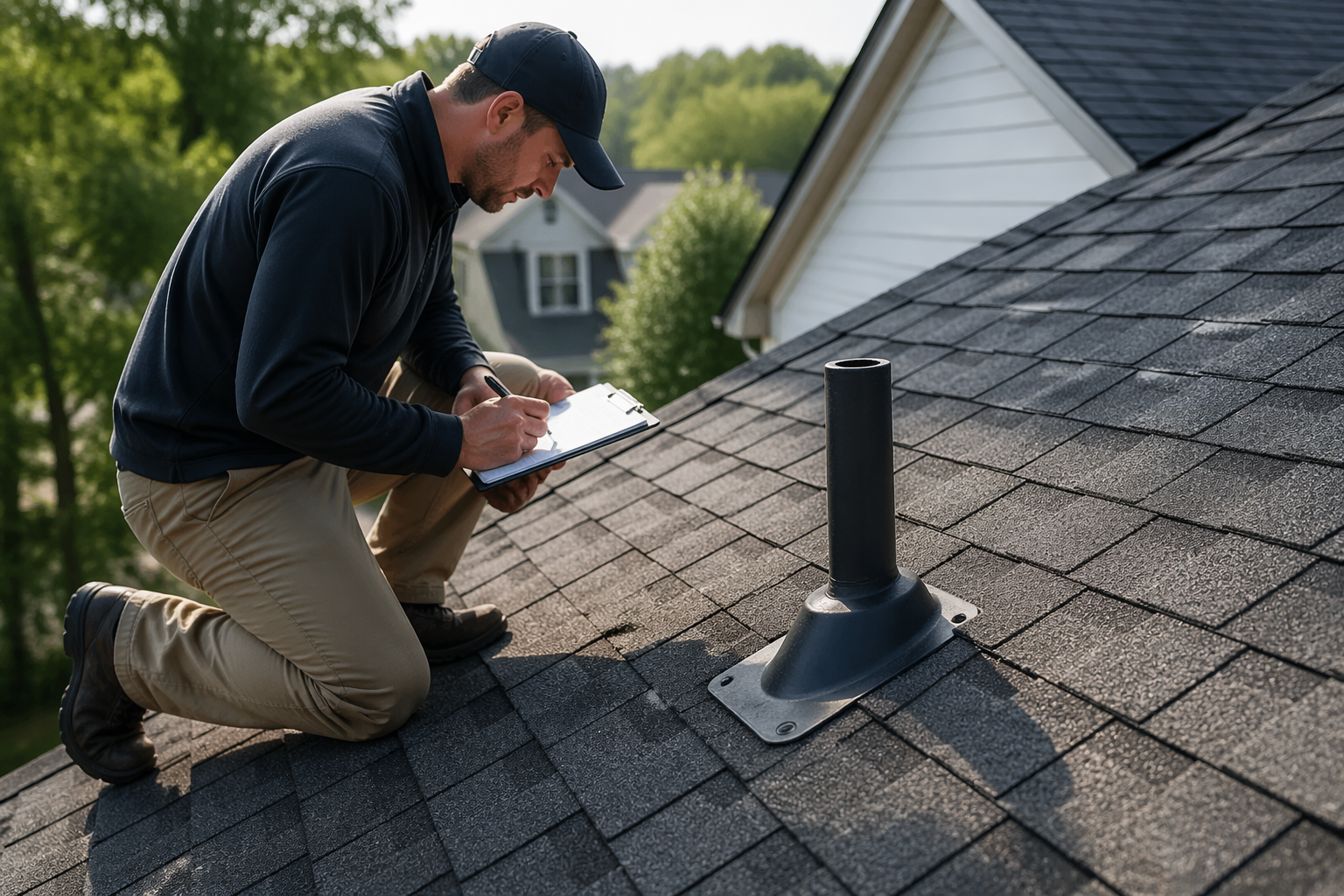
And why most inspections miss what matters
Most homeowners assume a roof inspection will tell them everything they need to know.
In reality, many inspections are surface level.
A quick look from the ground or a general walkthrough doesn’t tell you how the system is actually performing. It might catch obvious damage, but it often misses the small changes that lead to bigger problems.
An inspection should not just confirm that the roof is there. It should explain how it is functioning.
What an inspection is supposed to do
A proper inspection is meant to identify where the system is starting to change.
That means looking beyond visible damage and focusing on the areas that tend to break down first. Most roofing issues begin with small separations, material fatigue, or minor movement that isn’t obvious unless you know where to look.
The goal is to catch those changes early, before they allow moisture in.
Where attention should be focused
A roof is not one flat surface. It is a collection of transitions, penetrations, and materials working together.
The areas that matter most include:
• All roof penetrations, including vent pipes and equipment
• Flashing at walls, chimneys, and transitions
• Valleys where water is concentrated
• Edges and terminations
• Areas with previous repairs
These are the points where failure is most likely to begin.
What is often overlooked
Many inspections focus on shingles alone.
While surface materials matter, they are not where most problems start.
The details around how the roof is sealed, how water is directed, and how different materials meet are what determine whether the system holds up over time.
Missing those details is how issues go unnoticed until they become visible inside the home.
What a homeowner should expect
An inspection should provide clarity, not just a pass or fail.
You should walk away understanding:
• Where the roof is starting to change
• Which areas may need attention soon
• What has already been addressed
• Whether maintenance is needed
If none of that is explained, the inspection likely didn’t go far enough.
Why this matters
Roofing problems don’t appear suddenly.
They develop slowly, and most of the time, there are signs before anything becomes obvious. If those signs are missed, the first indication of a problem is often a leak or visible damage.
At that point, the repair is usually more involved than it needed to be.
Final thought
A roof inspection is not just about finding damage.
It’s about understanding how the system is performing and where it is starting to change. When that’s done properly, it gives you the opportunity to address small issues before they turn into larger ones.
Disclaimer
This article is provided for general educational purposes only and is intended to help homeowners better understand common conditions related to roof leaks and moisture intrusion. It is not a diagnosis, a scope of work, or a recommendation for any specific repair.
Every home is different. Conditions can vary based on age, materials, prior work, weather exposure, and construction methods. What appears to be a minor issue may involve underlying conditions that are not visible without a proper on site evaluation.
No action should be taken based solely on this information. Any inspection, repair, or replacement decisions should be made with a qualified professional who can assess the specific conditions of the property.
The author and publisher assume no responsibility or liability for any actions taken or not taken based on the content of this article, or for any outcomes resulting from reliance on this information.
