

Why Roof Repairs Don’t Last
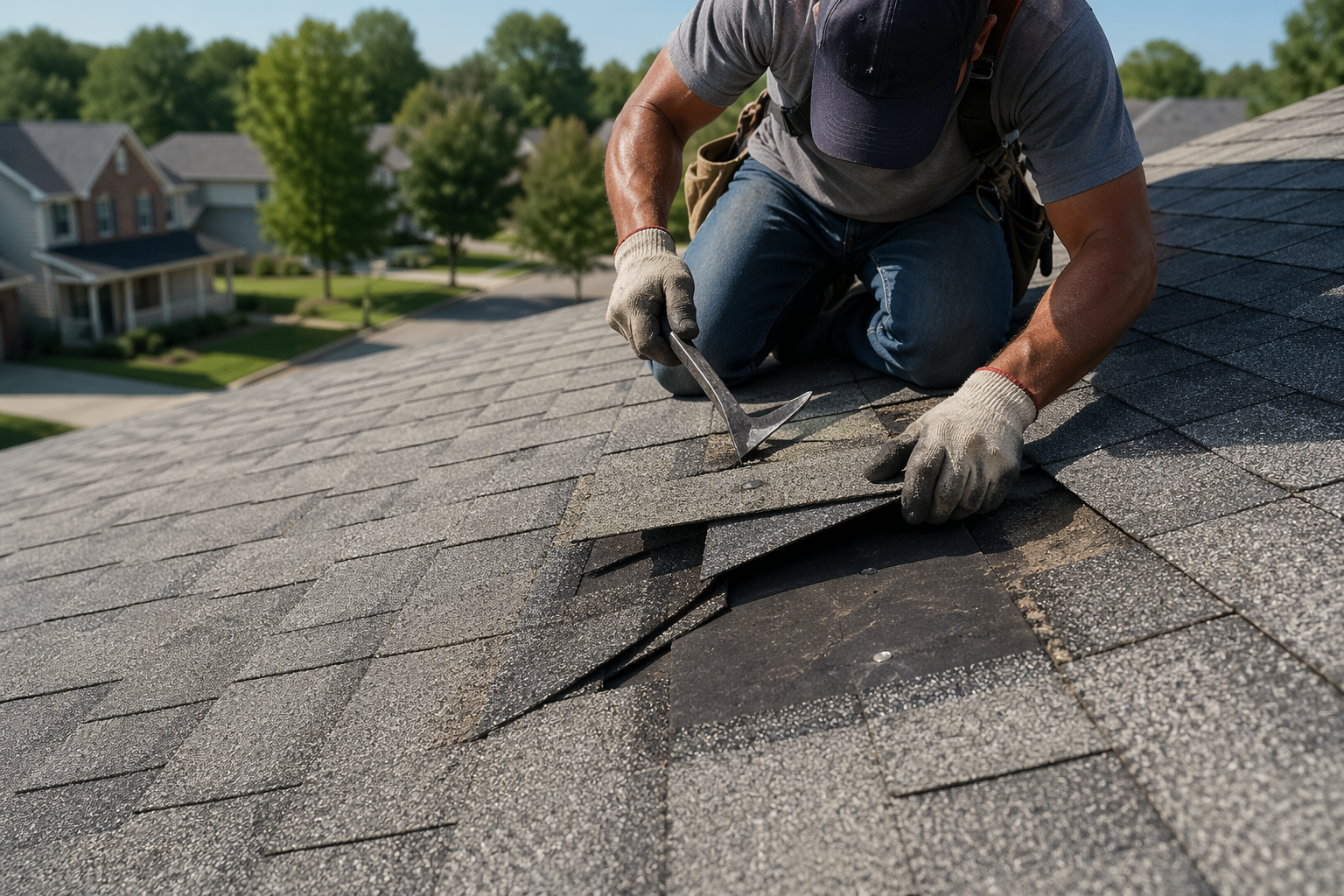
And how to think about them before you pay for one
A roof gets repaired, it looks fine, and then the same issue shows up again.
Same area. Same type of problem. Sometimes slightly worse.
That’s where frustration starts, because it feels like something that should have been handled already.
What you’re seeing
A repair was done and it looked solid.
The area was sealed, patched, or replaced, and for a period of time, there were no issues.
Then it came back.
It may show up in the exact same spot or just close enough to feel like the same problem.
What it usually means
When a repair doesn’t last, it’s usually not because nothing was done.
It’s because the repair was focused on the result, not the condition that caused it.
Water doesn’t enter at one fixed point and stay there. It moves, and it finds the easiest path.
If the surrounding area is still allowing water in or still shifting, the repaired spot becomes the next place it shows up again.
What to check
Before agreeing to a repair, look at the situation more broadly.
Start with:
• Whether the issue has shown up more than once
• If the area has been repaired before
• What’s directly above or around the problem area
• Whether there are multiple small signs nearby, not just one
• If the issue seems tied to certain weather conditions
These patterns tell you whether it’s isolated or part of something larger.
What matters and what doesn’t
What matters is whether the repair addresses why the problem is happening.
If that hasn’t been identified, the repair is likely temporary.
What doesn’t matter is how clean or solid the repair looks right after it’s done. That doesn’t tell you if it will hold.
What to do next
If it’s the first time and the issue is small, a targeted repair may be enough.
If it has come back or doesn’t make sense, take a different approach.
Look at the area as a section, not a point. Focus on what’s influencing it, not just where it showed up.
That’s what determines whether the repair will actually last.
What to avoid
Avoid repeating the same type of repair in the same area without understanding the cause.
That’s where people lose the most time and money.
Also avoid treating every issue as isolated. Most repeat problems aren’t.
When to take it more seriously
If a repair has already been done and didn’t hold, that’s your signal.
At that point, it’s no longer about fixing the spot. It’s about understanding what allowed it to happen.
Final thought
A repair that doesn’t last is not random.
It usually means the problem was handled where it showed up, not where it started.
Until that changes, the result won’t either.
Disclaimer
This article is provided for general educational purposes only and is intended to help homeowners better understand common conditions related to roof leaks and moisture intrusion. It is not a diagnosis, a scope of work, or a recommendation for any specific repair.
Every home is different. Conditions can vary based on age, materials, prior work, weather exposure, and construction methods. What appears to be a minor issue may involve underlying conditions that are not visible without a proper on site evaluation.
No action should be taken based solely on this information. Any inspection, repair, or replacement decisions should be made with a qualified professional who can assess the specific conditions of the property.
The author and publisher assume no responsibility or liability for any actions taken or not taken based on the content of this article, or for any outcomes resulting from reliance on this information.
