

Should You Remove Your Popcorn Ceiling
And when it actually makes sense
You look up and see it.
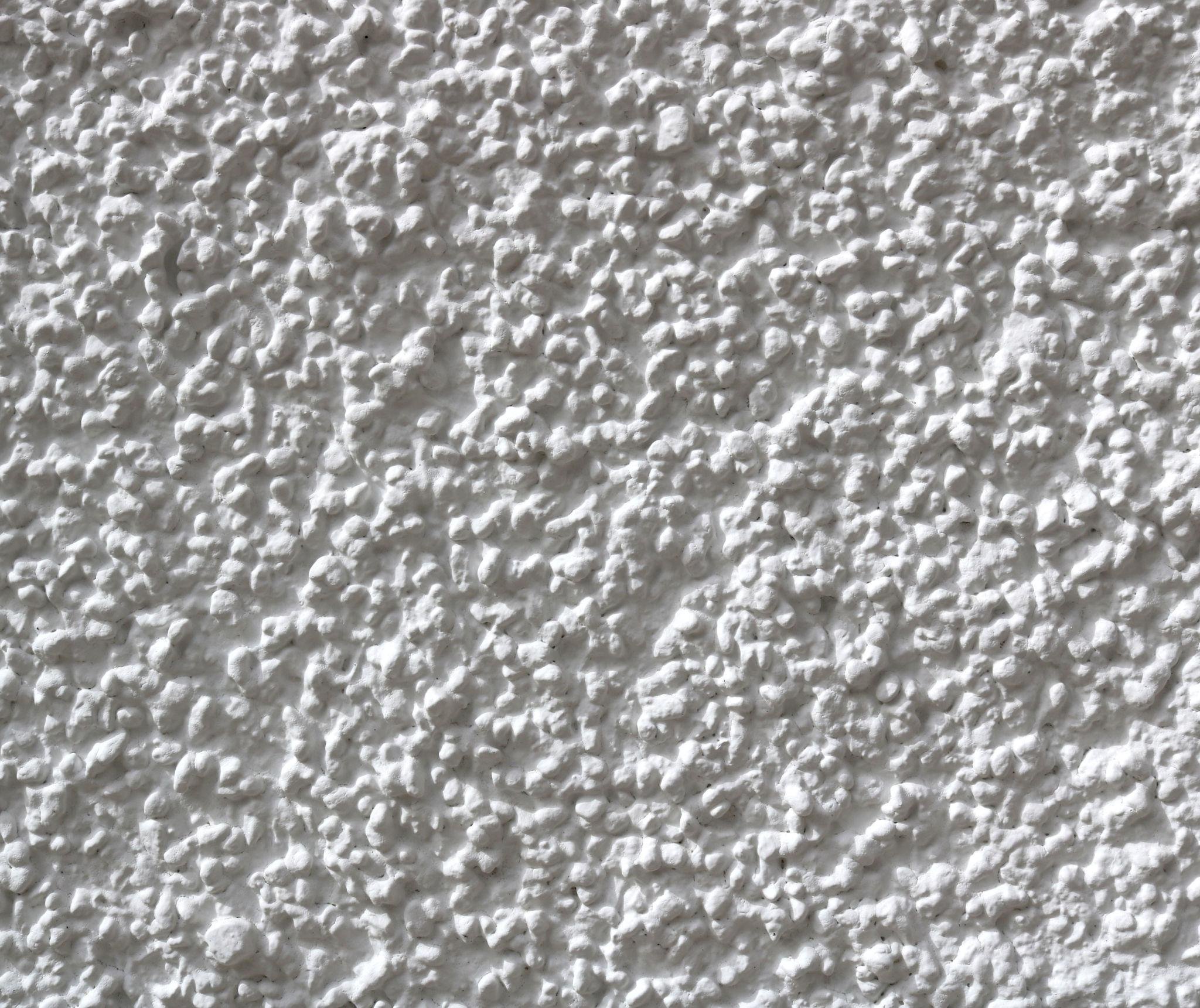
Popcorn texture.
At some point, you’ve thought about removing it. Maybe someone told you to. Maybe you’ve just gotten tired of looking at it. The question isn’t just whether it looks dated. It’s whether it actually makes sense to remove it.
What you’re really deciding
This isn’t just about appearance. It’s about condition, cost, and how much disruption you’re willing to take on.
Some ceilings should be removed. Some are better left alone.
When it makes sense to remove it
If the ceiling is damaged or starting to break down, removal becomes more practical. Stains, cracking, or sections coming loose usually mean you’re already dealing with repair. At that point, it’s not just a texture decision anymore.
It also makes more sense when you’re already doing work in the space. If you’re painting, changing lighting, or renovating, the disruption is already there. That’s when removing it fits into the bigger scope.
When it doesn’t
If the ceiling is in good condition and the only issue is how it looks, removal is a bigger decision than most people expect.
It’s messy, it affects the entire space, and it doesn’t end once the texture is gone. The surface underneath usually needs significant finishing before it can be painted.
It’s not just scrape and paint.
What most people don’t realize
Popcorn texture was often used to hide imperfections. Once it’s removed, everything underneath becomes visible.
That usually means skim coating, sanding, and finishing the ceiling properly so it actually looks right. That’s where most of the work is.
What about safety
In older homes, the material may contain components that require proper handling.
That doesn’t make it a problem sitting there. It matters when you disturb it. If you’re considering removal, that’s something that should be checked first.
What actually matters
The condition of the ceiling, the scope of the work around it, and whether you’re prepared for the level of finish required after the removal.
What to do next
Start with the condition of the ceiling as it is.
If it’s intact and you’re not planning other work, leaving it is a reasonable option.
If it’s damaged or you’re already renovating, removal becomes a more practical decision.
Who to call
If you’re considering removal, have a contractor or drywall professional look at the ceiling and explain what the full process will involve, not just the removal.
If the home is older and you’re unsure about the material, have it tested before disturbing it.
If you move forward, make sure the scope includes proper finishing. That’s what determines how it will actually look.
What to avoid
Don’t assume it’s a simple project. Don’t expect the surface underneath to be ready once the texture is removed. And don’t start without understanding the full scope of work.
When to take it more seriously
If the ceiling is deteriorating or affected by moisture, it’s no longer just a style decision.
Final thought
It’s not about the texture.
It’s about everything underneath it.
Disclaimer
This article is provided for general educational purposes only and is intended to help homeowners better understand common interior conditions and decisions. It is not a diagnosis, a scope of work, or a recommendation for any specific project.
Every home is different. Conditions can vary based on age, materials, and prior work. What appears to be straightforward may involve additional steps that are not visible without proper evaluation.
No action should be taken based solely on this information. Any decisions should be made with a qualified professional who can assess the specific conditions of the space.
The author and publisher assume no responsibility or liability for any actions taken or not taken based on the content of this article, or for any outcomes resulting from reliance on this information.
