

Do You Need to Replace Water-Damaged Sheetrock… or Can It Be Repaired
And how to know the difference
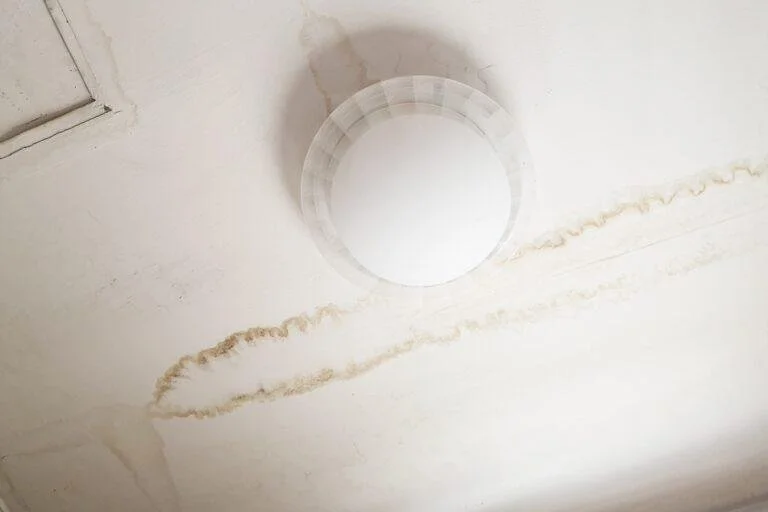
You notice a stain on the ceiling or wall. Maybe the paint has bubbled or the texture looks a little off. It’s easy to assume it just needs to be fixed and painted. Sometimes that’s all it takes. Other times, that’s not enough.
The difference comes down to the condition of the sheetrock itself, not just how it looks.
What you’re really dealing with
Water damage shows up on the surface, but that’s not where the decision is made. What matters is whether the material underneath is still holding up or if it’s already been compromised.
If the sheetrock is still solid, it can usually be repaired. That means it hasn’t softened, swollen, or started to break down. When you press on it, it feels firm. In those cases, the area can be dried out, properly sealed, and refinished without needing to remove it.
When repair isn’t enough
Once the sheetrock starts to lose its integrity, it’s a different situation. If it feels soft, looks swollen, or has started to crumble, the material has already broken down. At that point, it doesn’t matter how it looks on the surface. It won’t hold up over time.
That section needs to be removed and replaced.
Sheetrock doesn’t recover once it’s been compromised by water. Covering it might make it look better temporarily, but it won’t last.
Where people go wrong
Most people make the decision based on appearance. If the stain doesn’t look that bad, they try to repair it. But water damage isn’t always obvious from the outside.
You can have a small stain with deeper damage behind it, or a larger stain where the material is still intact. That’s why looking at it isn’t enough.
What to do before anything else
Before you repair or replace anything, the source of the moisture has to be handled. Roof, plumbing, HVAC, whatever caused it, that part has to be addressed first.
If it’s not, the problem will come back no matter how well the repair is done.
How to decide
At the end of the day, it comes down to one thing.
If the sheetrock is still solid, it can be repaired.
If it’s soft, swollen, or breaking down, it needs to be replaced.
Who to call
If the damage is light and the material is still solid, an experienced painter or drywall professional can handle sealing, repair, and finishing.
If the sheetrock has softened or started to break down, a drywall contractor should remove and replace the affected sections.
If you’re not sure, have someone look at it in person before moving forward. That’s the easiest way to avoid doing the same work twice.
What to avoid
Don’t paint over water damage without sealing it properly, don’t try to repair material that’s already breaking down, and don’t skip finding the source of the moisture.
Final thought
If the material is still solid, it can be repaired. If it’s not, it needs to be replaced.
Disclaimer
This article is provided for general educational purposes only and is intended to help homeowners better understand common conditions related to interior finishes. It is not a diagnosis, a scope of work, or a recommendation for any specific repair.
Every home is different. Conditions can vary based on materials, installation, and environmental factors. What appears to be a minor issue may involve underlying conditions that are not visible without a proper evaluation.
No action should be taken based solely on this information. Any decisions should be made with a qualified professional who can assess the specific conditions of the space.
The author and publisher assume no responsibility or liability for any actions taken or not taken based on the content of this article, or for any outcomes resulting from reliance on this information.
