

What Soft Drywall or Bubbling Paint Really Means
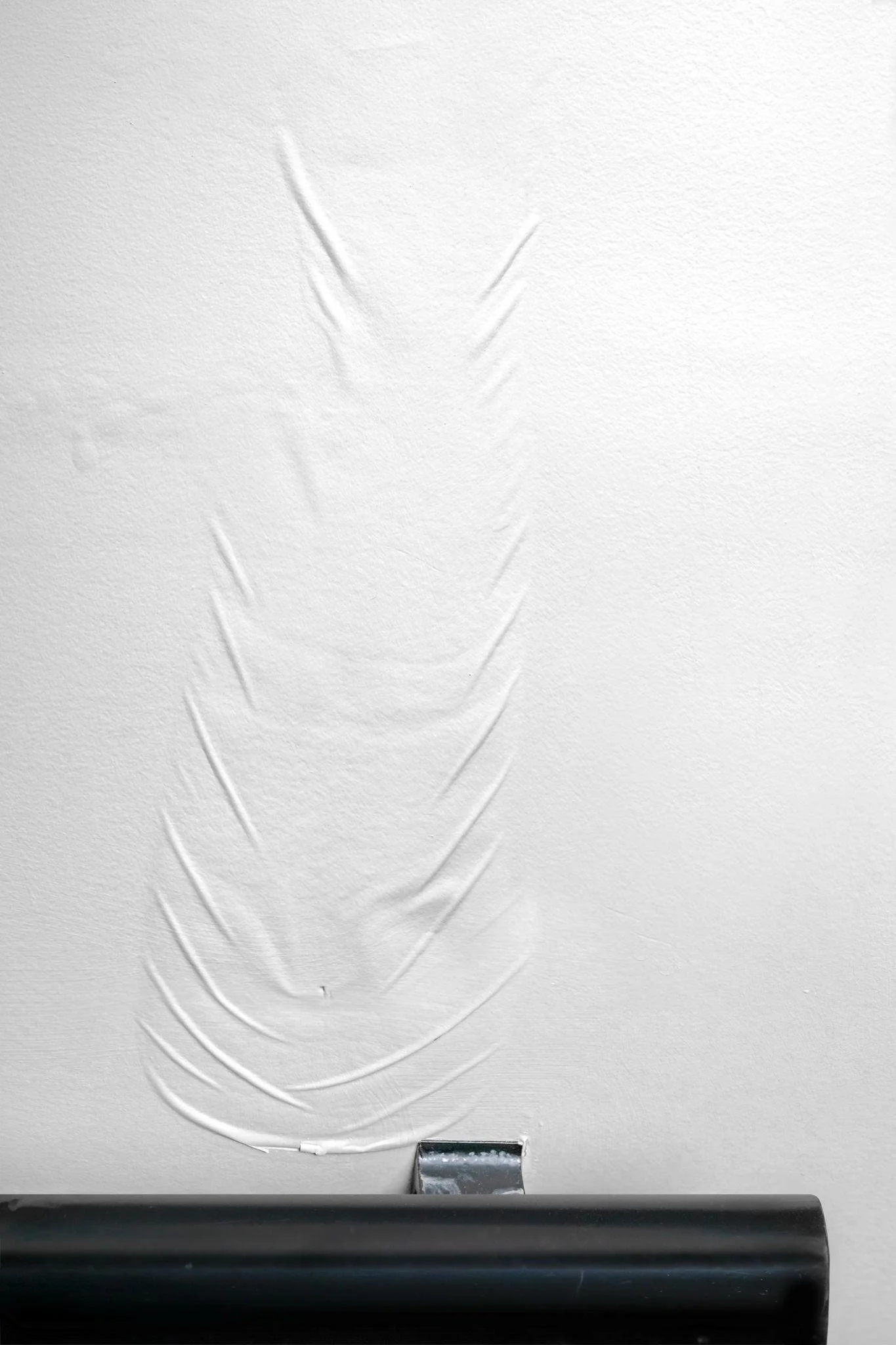
Why the surface isn’t the problem and how to think through it before you repair it
When drywall feels soft or paint starts to bubble, the instinct is to fix what you see.
Patch the area. Repaint it. Replace the damaged section and move on.
Sometimes that’s part of the solution.
But if that’s where you start, it’s also where problems tend to repeat.
What you’re seeing
You may notice a wall or ceiling that feels slightly soft when pressed, or paint that begins to bubble, wrinkle, or separate from the surface.
In some cases it’s subtle. In others it becomes more obvious over time.
It may stay in one area, or it may slowly expand.
From the surface, it looks like a localized issue.
What it usually means
Drywall and paint don’t fail on their own.
They react to moisture.
That moisture may be intermittent, slow, or coming from a source that isn’t immediately obvious. It doesn’t need to be constant to cause damage. Even small amounts over time will begin to break down the material.
The important part is that the moisture is coming from somewhere else.
What you’re seeing is where it finally shows up, not where it started.
What to check
Before repairing the surface, take a step back and look at the area as a section, not a single spot.
Start with:
• What is directly above the affected area, including roof sections or upper floors
• Whether the location lines up with a window, exterior wall, or ceiling transition
• If there are roof penetrations, valleys, or wall intersections above that area
• Whether the issue changes after rain or certain weather conditions
• If nearby areas are beginning to show similar signs
You’re not trying to diagnose it completely. You’re trying to understand whether the condition is isolated or part of something larger.
What matters and what doesn’t
What matters is identifying where the moisture is entering and how it’s moving.
If that hasn’t been addressed, repairing the drywall or repainting the surface will not last.
What doesn’t matter is how clean or complete the repair looks initially. Surface repairs can hide the issue for a period of time, but they don’t stop it.
What to do next
If the area is small and this is the first time you’ve seen it, it may be reasonable to monitor it briefly.
If it continues to soften, expand, or return after repair, shift your focus.
Look above the area. Look at how that section of the home handles water. Pay attention to patterns, not just the damage.
That’s what will guide the next step.
What to avoid
Avoid repairing the surface without understanding the cause.
That’s the most common reason this issue comes back.
Also avoid assuming that a small area means a small problem. Moisture-related issues often start small and develop gradually.
When to take it more seriously
If the drywall continues to soften, the paint continues to bubble, or the issue appears in more than one area, it’s no longer something to watch.
It’s a sign that moisture is consistently affecting that section of the home.
At that point, it needs to be understood, not just covered.
Final thought
Soft drywall and bubbling paint are not the problem.
They’re the signal.
The sooner that signal is understood, the easier it is to address what’s actually causing it.
Disclaimer
This article is provided for general educational purposes only and is intended to help homeowners better understand common conditions related to roof leaks and moisture intrusion. It is not a diagnosis, a scope of work, or a recommendation for any specific repair.
Every home is different. Conditions can vary based on age, materials, prior work, weather exposure, and construction methods. What appears to be a minor issue may involve underlying conditions that are not visible without a proper on site evaluation.
No action should be taken based solely on this information. Any inspection, repair, or replacement decisions should be made with a qualified professional who can assess the specific conditions of the property.
The author and publisher assume no responsibility or liability for any actions taken or not taken based on the content of this article, or for any outcomes resulting from reliance on this information.
