

Was It a Bad Paint Job… or Is Something Else Going On
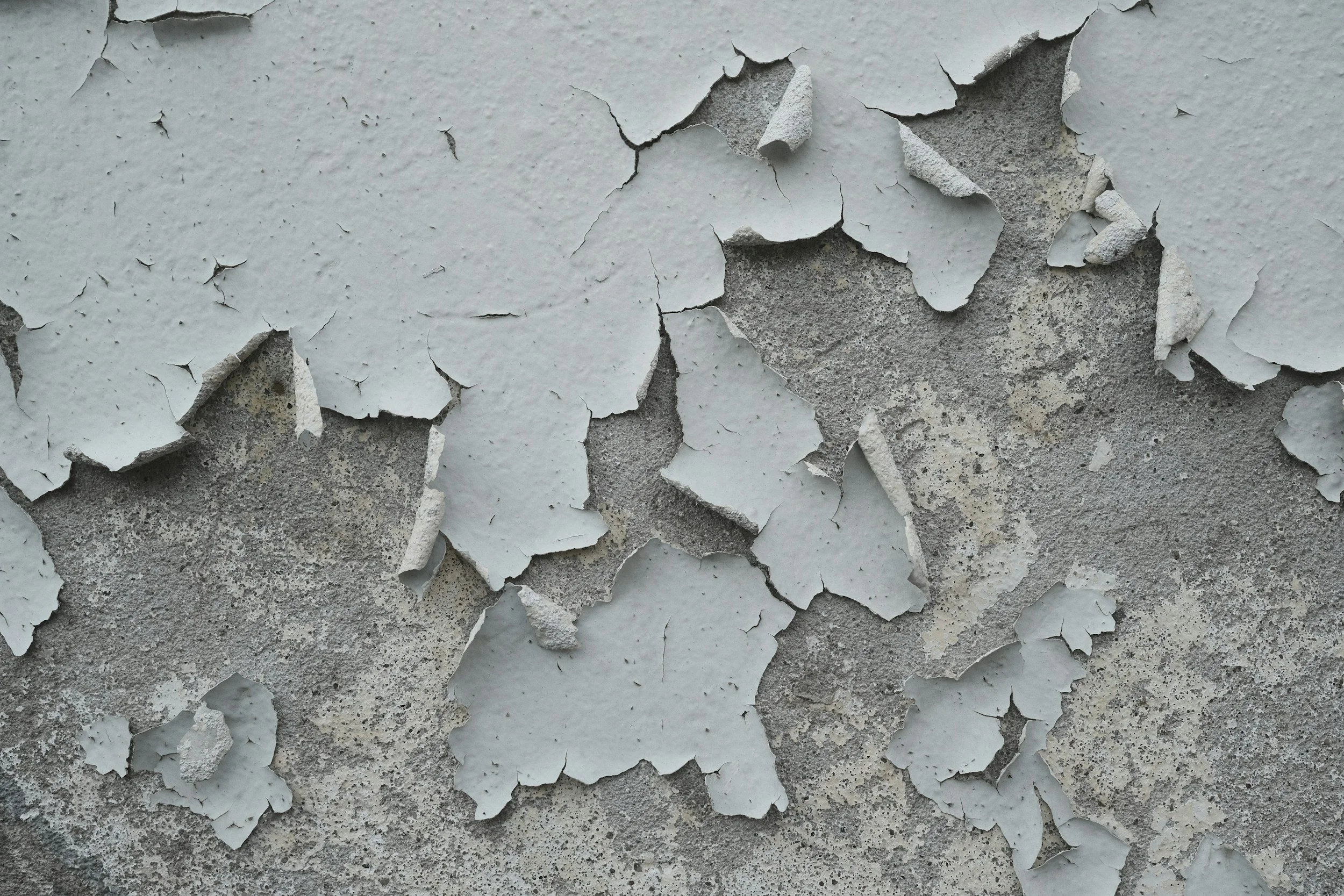
And why it’s not always what it looks like
Paint starts to fail.
Sooner than you expected.
It fades in certain areas.
Breaks down in spots.
Doesn’t hold evenly.
The first thought is always the same.
Bad paint job.
Sometimes that’s true.
Most of the time, it’s not.
What you’re seeing
Paint failing in some areas, not others.
That’s the key.
If it was just bad paint, it would fail everywhere.
It doesn’t.
What’s actually happening
Paint follows the surface.
And it follows exposure.
If one area is taking more stress, that’s where it breaks first.
That stress comes from:
Sun
Water
Movement
Or prep that wasn’t done right in that section
So the failure shows up unevenly.
Why it looks like a bad job
Because you only see the result.
Paint is just the layer that shows the problem.
It’s not always the cause.
When it might actually be the paint
There are times it is the job.
That usually looks like:
• failure across multiple areas
• peeling that doesn’t follow a pattern
• coating not bonding at all
That’s when you question the application.
When it’s something else
More often, it looks like this:
• the same areas breaking down first
• failure tied to sun or water
• issues around windows, trim, or transitions
• certain sections wearing faster than others
That’s not random.
That’s exposure or underlying conditions.
Before you assume anything
Don’t guess.
Ask how it was done.
That tells you more than anything else.
What to ask the contractor
If paint is failing, don’t ask what went wrong.
Ask how it was done.
How was the surface prepped?
If the answer is vague, that’s a problem. Prep matters more than paint.
Was the stucco primed? What was used?
Stucco isn’t a standard surface. It needs to be treated like one.
What product was used? Is it made for stucco?
You’re looking for something that can handle movement and breathe.
How many coats were applied?
One coat isn’t a system.
Did any areas stand out as more exposed?
If everything was treated the same, that’s a miss.
Is it failing everywhere or just certain areas?
That answer separates a bad job from a stressed surface.
What you’re really looking for
You’re not looking for perfect answers.
You’re looking for:
• a clear process
• specific materials
• awareness of problem areas
If the answers are loose, the work probably was too.
What to do next
Look at the pattern.
Where it’s failing
Where it’s not
What those areas deal with
That’s your answer.
Who to call
Start with what’s driving the failure.
If it lines up with water or roof runoff
Have a roofer look at it
If it’s tied to the surface or coating
You need someone who understands stucco and exterior systems
If it doesn’t make sense
Step back and look at the exterior as a whole
What to avoid
• assuming it’s just a bad job
• repainting without understanding it
• ignoring where it’s happening
When to take it more seriously
If the same areas keep failing no matter what’s done, it’s not the paint.
It’s the condition behind it.
Final thought
Paint doesn’t decide where to fail.
The surface and the exposure do.
Disclaimer
This article is provided for general educational purposes only and is intended to help homeowners better understand common conditions related to exterior finishes. It is not a diagnosis, a scope of work, or a recommendation for any specific repair.
Every home is different. Conditions can vary based on materials, installation, exposure, and structural factors. What appears to be a minor issue may involve underlying conditions that are not visible without a proper on site evaluation.
No action should be taken based solely on this information. Any inspection, repair, or replacement decisions should be made with a qualified professional who can assess the specific conditions of the property.
The author and publisher assume no responsibility or liability for any actions taken or not taken based on the content of this article, or for any outcomes resulting from reliance on this information.
