

Should You Be Concerned About Mold When There Is a Moisture Issue
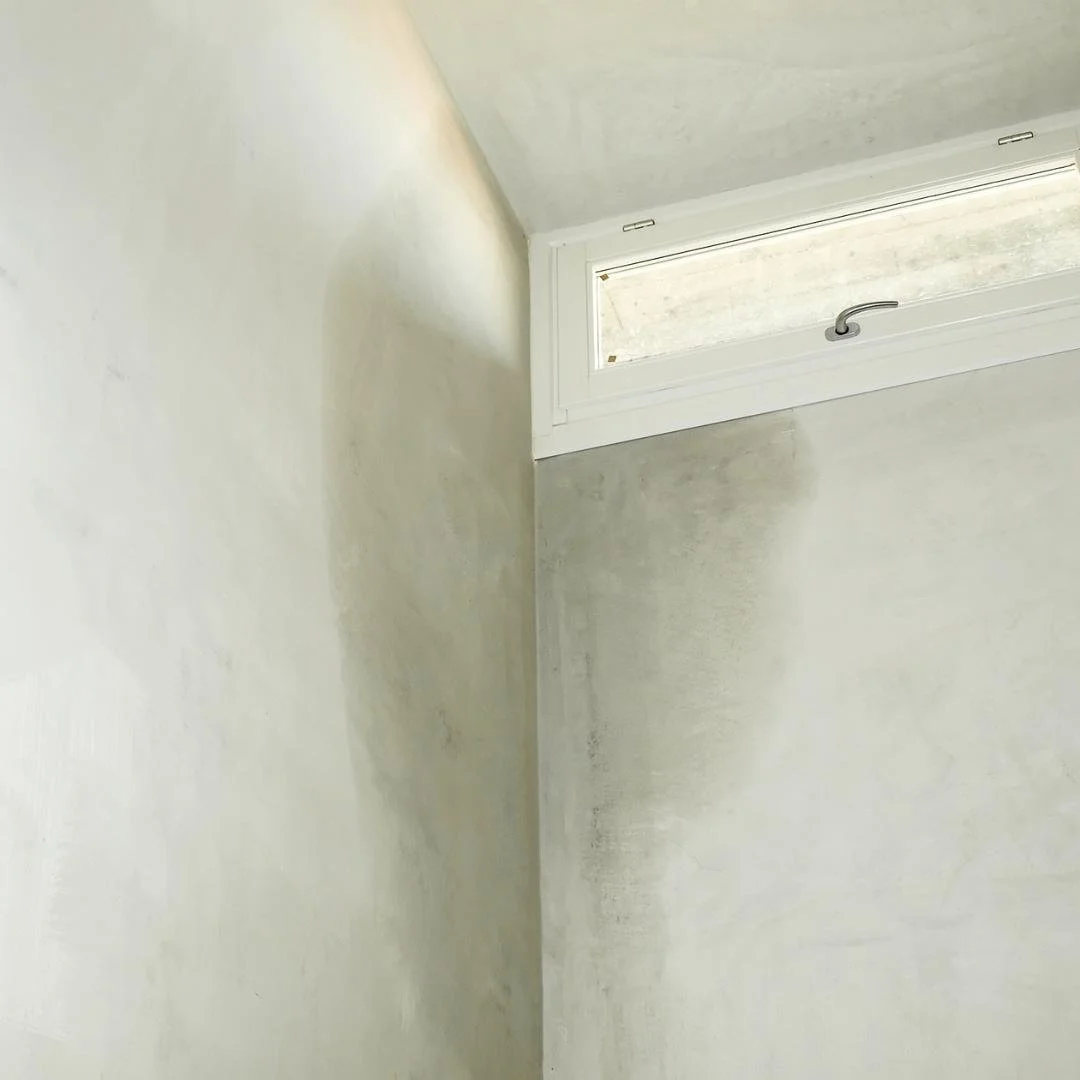
When it matters, and when it doesn’t
Mold is one of the first things people think about when they notice moisture.
A stain shows up. Something feels damp. The question comes up quickly.
Is this turning into mold
It is a reasonable concern.
But not every moisture issue leads to mold, and not every situation needs the same response.
What you are actually dealing with
Mold does not show up from a single moment.
It develops from a condition.
Moisture that stays
Time
And a surface it can grow on
If those are not all present, the likelihood drops.
That is why some moisture issues never turn into mold, while others do.
When it is less likely to be a concern
If moisture is limited and the area dries out, the risk is lower.
That usually looks like:
• a one-time event that dried quickly
• an area with airflow
• no ongoing change over time
• surfaces that return to normal
In those situations, the focus stays on the source, not on mold.
When it becomes more likely
The concern increases when moisture stays present.
That usually shows up as:
• an area that stays damp
• repeated exposure over time
• limited airflow or enclosed spaces
• materials that are not fully drying
It does not need to be obvious.
It just needs to be consistent.
What to pay attention to
You are not just looking for visible mold.
You are looking for conditions that allow it.
Pay attention to:
• areas that feel different over time
• changes that continue or spread
• surfaces that do not fully return to normal
• spaces that stay closed in or poorly ventilated
Those are the environments where mold is more likely to develop.
What actually matters
Moisture that stays.
Not moisture that comes and goes.
That is the difference.
What does not matter
A single event that dried out.
That alone is not what leads to mold.
What to do next
If moisture is ongoing, the priority is not just what you see.
It is stopping the condition that allows it to stay.
Once the area can dry properly, the risk drops significantly.
Who to call
Start by narrowing down where the moisture could be coming from. This helps you choose a reasonable starting point.
If the issue appears during or after rain, or is near the roof
A roofing professional is often a good place to begin. They can evaluate whether the roof or related areas may be contributing.
If it is along walls, below windows, or near exterior transitions
It may be related to how that section of the exterior is handling water. In that case, a contractor familiar with exterior systems can help assess those areas.
If the issue does not seem tied to weather and is on a ceiling or wall
It may be coming from within the home. A plumbing or HVAC professional may be able to evaluate whether internal systems are contributing.
If the area stays damp, enclosed, or does not seem to dry
It can be helpful to have the area evaluated before making repair decisions, so you understand what conditions are present.
If there is visible growth or you are unsure how far the condition extends
A mold or environmental professional can help determine the extent and recommend appropriate next steps.
Important to keep in mind
These are starting points, not conclusions.
Moisture issues can involve more than one system, and the visible area does not always indicate the source.
A proper evaluation of the specific conditions is the best way to determine the right course of action.
What to avoid
Do not assume mold is present just because there is moisture
Do not ignore moisture that is not drying
Do not focus only on cleaning a surface without addressing the cause
When to take it more seriously
If moisture continues over time and the area is not drying, that is when the concern increases
That is when it needs to be addressed properly
Final thought
Mold is not caused by a moment
It is caused by a condition
When you understand that, the situation becomes much clearer
Disclaimer
This article is provided for general educational purposes only and is intended to help homeowners better understand common conditions related to roof leaks and moisture intrusion. It is not a diagnosis, a scope of work, or a recommendation for any specific repair.
Every home is different. Conditions can vary based on age, materials, prior work, weather exposure, and construction methods. What appears to be a minor issue may involve underlying conditions that are not visible without a proper on site evaluation.
No action should be taken based solely on this information. Any inspection, repair, or replacement decisions should be made with a qualified professional who can assess the specific conditions of the property.
The author and publisher assume no responsibility or liability for any actions taken or not taken based on the content of this article, or for any outcomes resulting from reliance on this information.
