

Why Damage Shows Up Long After the Problem Starts
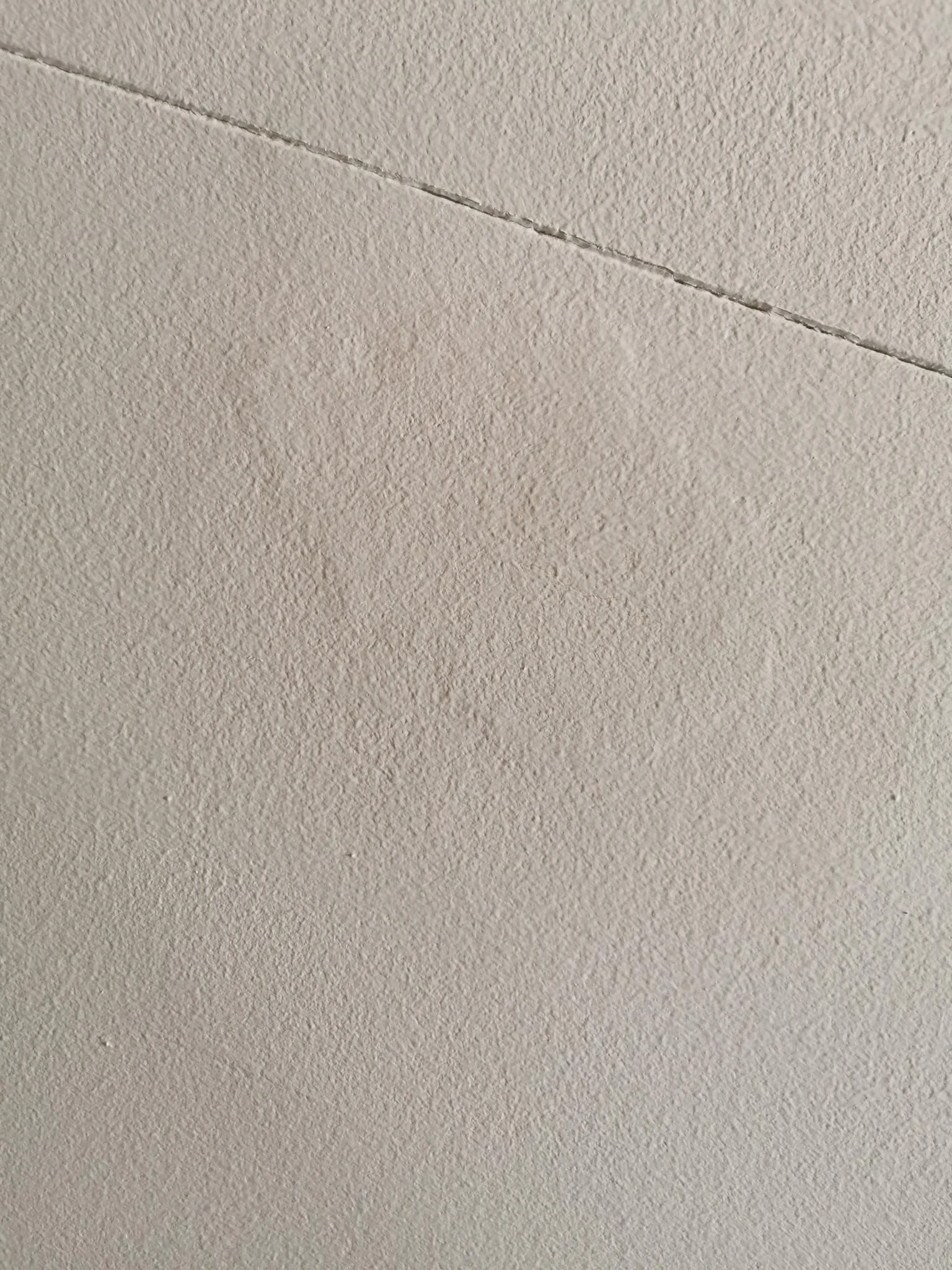
Why what you are seeing now usually did not start now
A stain shows up and it feels recent.
A wall softens and it seems sudden.
Something changes and it looks like a new problem.
Most of the time, it is not.
What you are seeing
A visible change that seems to have appeared quickly.
It may feel like it happened overnight or after a recent event.
That makes it easy to connect it to the last thing that happened.
What it usually means
Water does not always show up right away.
It can be present for a long time before anything becomes visible.
It can move, absorb into materials, and slowly affect an area before it reaches a point where you can see it.
By the time it shows up, it has usually been there longer than you think.
What to check
Instead of asking when it showed up, ask how long it could have been there.
Start with:
• Whether there were any earlier signs that were easy to overlook
• If the area has changed gradually before becoming obvious
• What is above or around that section over time, not just recently
• Whether the issue feels connected to a recent event or just became noticeable
You are trying to separate when it started from when you noticed it.
What matters
What matters is understanding that visible damage is often delayed.
That changes how you approach it.
What does not matter
That it looks recent.
Appearance does not tell you when it started.
What to do next
Do not assume the problem started when you noticed it.
Look at the area as something that has been developing.
That means you should:
Step back and evaluate the full section
Look for patterns over time, not just one event
Focus on where the issue could have started, not just when it showed up
That approach leads you to the cause much faster.
Who to call
If the issue involves the roof or aligns with weather patterns
Start with a roofing professional
If it involves walls, windows, or transitions
You need someone who understands how that section handles water over time
If the timeline is unclear and the issue does not make sense
Bring in someone who can evaluate the system, not just the surface
What to avoid
Do not tie the problem only to the most recent event.
That is where people chase the wrong cause.
Do not treat it like something new without stepping back.
That is how issues get misdiagnosed.
When to take it more seriously
If the damage seems to appear suddenly but is more widespread than expected, it has likely been developing for a while.
That is when you need to look beyond what is immediately visible.
Final thought
What you see is not always when it started.
It is just when it became visible.
Disclaimer
This article is provided for general educational purposes only and is intended to help homeowners better understand common conditions related to roof leaks and moisture intrusion. It is not a diagnosis, a scope of work, or a recommendation for any specific repair.
Every home is different. Conditions can vary based on age, materials, prior work, weather exposure, and construction methods. What appears to be a minor issue may involve underlying conditions that are not visible without a proper on site evaluation.
No action should be taken based solely on this information. Any inspection, repair, or replacement decisions should be made with a qualified professional who can assess the specific conditions of the property.
The author and publisher assume no responsibility or liability for any actions taken or not taken based on the content of this article, or for any outcomes resulting from reliance on this information.
