

When Water Is Present but There Is No Active Leak
What to do when something feels off but nothing is actively coming in
Not every moisture issue shows up as a leak.
No drip. No clear entry point. Nothing obvious to fix.
But something still feels off.
This is where people either ignore it or start repairing the wrong thing.
What you are seeing
Subtle changes, not an active leak.
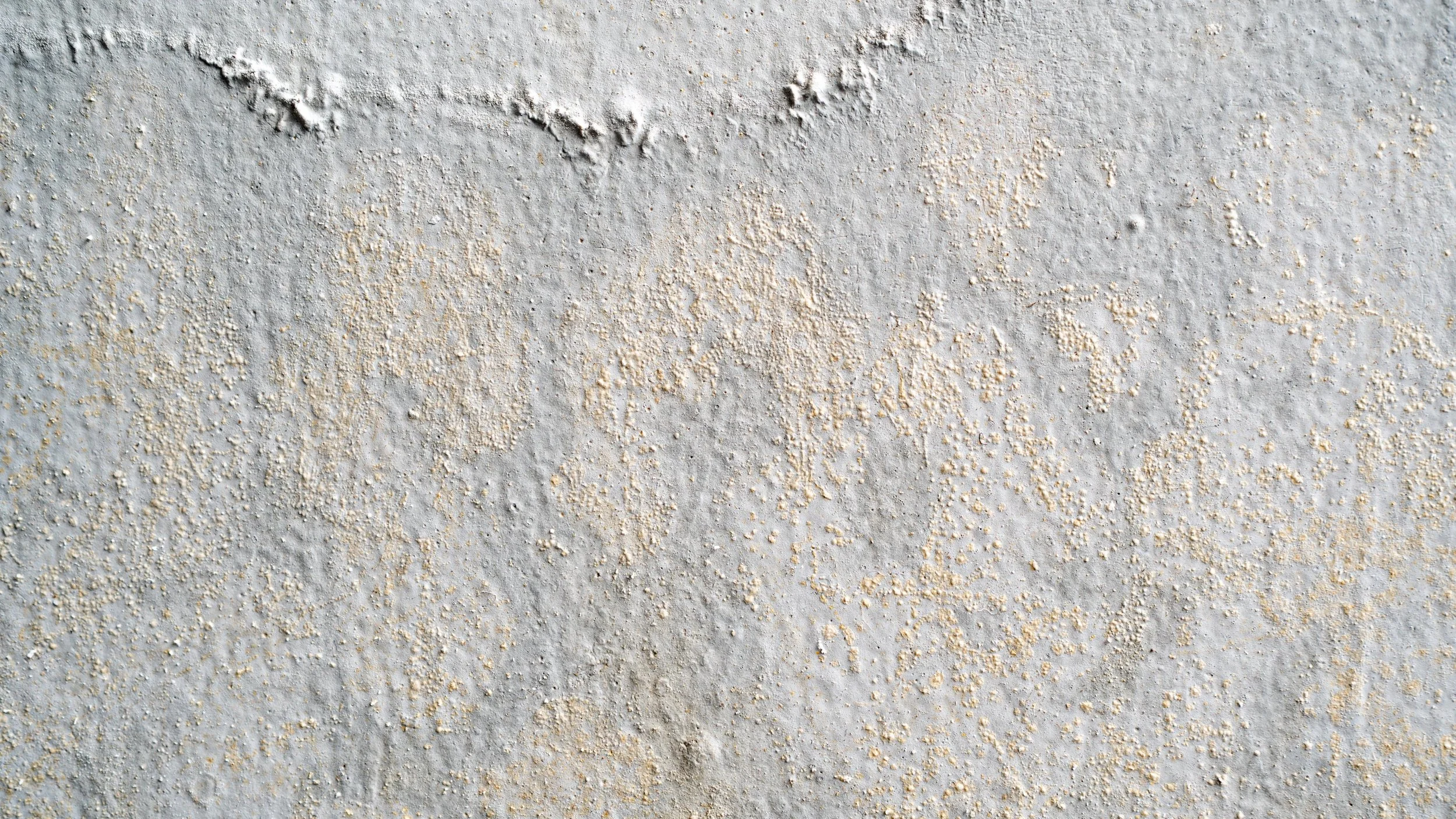
A wall that feels slightly damp. Paint that starts to change. A surface that does not look or feel consistent with the rest of the area.
It may come and go. It may stay the same for a while.
That is what makes it hard to decide what to do.
What it usually means
If materials are changing, moisture is present.
It may not be entering in a way you can see, but something is allowing it to get in or not dry out.
That could be:
• Small amounts of water getting in during certain conditions
• Moisture being trapped in the wall or ceiling
• Air movement bringing moisture into an area and holding it there
The absence of a drip does not mean the absence of a problem.
What to check
Before deciding what to do, figure out whether this is active or not.
Start with:
• Does the area change after rain or weather events
• Does it feel different at different times of day
• Is it near an exterior wall, window, or roof section
• Are nearby areas starting to show similar changes
• Does the condition stay the same, improve, or slowly get worse
You are looking for a pattern, not a single moment.
What matters and what does not
What matters is whether the condition is changing.
If it is changing, it is active.
If it stays the same over time, it may be old damage that has already dried out.
What does not matter is waiting for it to turn into a visible leak before taking it seriously.
What to do next
Use this to decide your next step.
If the area is not changing
You can monitor it. Do not rush to repair it yet.
If the area changes after weather or over time
Treat it as active. The focus should be on where the moisture is coming from, not the surface.
If the area is slowly getting worse
Move sooner. That is a sign the condition is ongoing.
If you are unsure
Give it time and watch for patterns. A few weeks of observation will tell you more than guessing.
Who to call
Who you call depends on what you are seeing and how the condition is behaving.
If the issue changes after rain or is near the roof
Start with a roofing professional. The focus should be on how water is entering and moving above that area.
If it is around a window or exterior wall
You may need someone who understands exterior systems, not just the window itself. The issue is often how that section of the wall is handling water.
If it feels like moisture but there is no clear source
A general contractor with experience in building systems can help look at the full picture, not just one trade.
If the damage is only on the surface and not changing
You can hold off on repairs or have a painter or drywall professional address it once you are confident the condition is no longer active.
What to avoid
Do not repair the surface just to make it look better.
If moisture is still present, the same issue will come back.
Do not ignore it just because there is no drip.
That is where small issues turn into larger ones.
When to take it more seriously
If the area continues to change, spreads, or shows up in more than one location, it is not minor.
At that point, moisture is consistently affecting that section of the home and needs to be understood.
Final thought
You do not need a visible leak to have a moisture problem.
What matters is whether the condition is active.
Once you understand that, the next step becomes much clearer.
Disclaimer
This article is provided for general educational purposes only and is intended to help homeowners better understand common conditions related to roof leaks and moisture intrusion. It is not a diagnosis, a scope of work, or a recommendation for any specific repair.
Every home is different. Conditions can vary based on age, materials, prior work, weather exposure, and construction methods. What appears to be a minor issue may involve underlying conditions that are not visible without a proper on site evaluation.
No action should be taken based solely on this information. Any inspection, repair, or replacement decisions should be made with a qualified professional who can assess the specific conditions of the property.
The author and publisher assume no responsibility or liability for any actions taken or not taken based on the content of this article, or for any outcomes resulting from reliance on this information.
