

Why Temporary Fixes Make Leaks Harder to Find
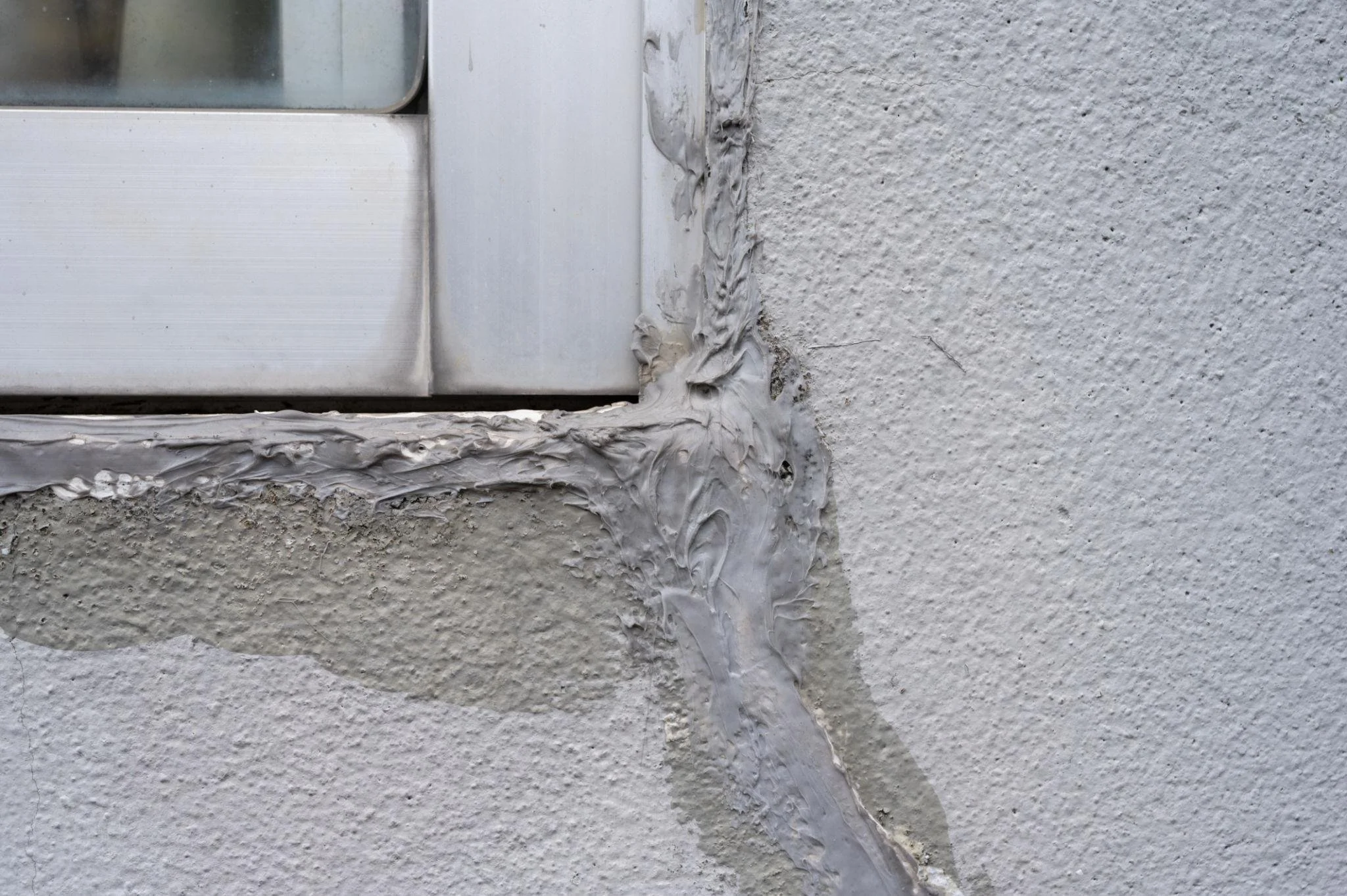
And why quick solutions often create longer problems
When water shows up, the first instinct is to stop it.
Seal it. Patch it. Cover it.
Anything to keep it from coming in again.
That makes sense in the moment.
But temporary fixes often change how the problem shows up instead of solving it.
What you are seeing
A leak shows up, something is done to stop it, and for a period of time, it seems like it worked.
Then the issue comes back.
Sometimes in the same place. Sometimes somewhere else.
That is where things get confusing.
What it usually means
Water does not stop moving just because one area was sealed.
If the entry point is still there, or if the surrounding area is still allowing water in, it will find another path.
Temporary fixes can block one route and force the water to move differently.
That makes the source harder to trace.
What to check
If a repair was done and the issue returned, look at the pattern.
Start with:
• Whether the original area was fully addressed or just sealed
• If the new issue is close to the original location
• Whether the timing of the leak has changed
• If the problem appears under different conditions now
You are looking for what changed, not just where it showed up.
What matters and what does not
What matters is whether the cause of the issue was identified before the fix was done.
If it was not, the repair was likely temporary.
What does not matter is how well the fix held for a short period of time.
That does not mean the problem was solved.
What to do next
If a temporary fix was done and the issue returned, stop repeating the same approach.
Shift the focus away from the spot that was repaired.
Look at the surrounding area and what that section of the home is doing.
That is where the actual source usually is.
Who to call
If the issue involves the roof or changes with weather
Start with a roofing professional who can evaluate how water is entering and moving.
If it is around walls, windows, or exterior transitions
You may need someone who understands how exterior systems work together, not just one component.
If multiple attempts have been made and the problem keeps changing
Start with a general contractor who can step back and look at the full system instead of one isolated repair.
What to avoid
Do not keep sealing the same area without understanding the cause.
That is where time and money get wasted.
Also avoid assuming that because something worked for a short time, it fixed the problem.
When to take it more seriously
If the problem changes location, timing, or behavior after a repair, that is not random.
It is a sign that the water is being redirected, not stopped.
Final thought
A temporary fix can make a problem feel solved.
But if the cause was not addressed, all it did was change how the problem shows up.
Disclaimer
This article is provided for general educational purposes only and is intended to help homeowners better understand common conditions related to roof leaks and moisture intrusion. It is not a diagnosis, a scope of work, or a recommendation for any specific repair.
Every home is different. Conditions can vary based on age, materials, prior work, weather exposure, and construction methods. What appears to be a minor issue may involve underlying conditions that are not visible without a proper on site evaluation.
No action should be taken based solely on this information. Any inspection, repair, or replacement decisions should be made with a qualified professional who can assess the specific conditions of the property.
The author and publisher assume no responsibility or liability for any actions taken or not taken based on the content of this article, or for any outcomes resulting from reliance on this information.
