

What Causes Roof Issues in Newer Roofs
Why new does not always mean problem free and what to look at before you assume it is
A newer roof is usually treated like it is off the list.
It was just installed. It should be fine. Nothing to think about.
So when something shows up, it does not make sense.
That is where people either ignore it or chase the wrong fix.
What “new” actually means
When people say a roof is new, they usually mean it has not been there very long.
That does not tell you much.
A roof can be one year old and already have a problem, or five years old and still be performing exactly the way it should.
For the purpose of understanding risk, a newer roof is one that is still early in its expected lifespan and has not had time to wear down through normal exposure.
That usually means:
• Recently installed or replaced
• Has not required ongoing repairs yet
• Has not been through multiple years of weather cycles and movement
What matters more than the exact age is this.
Has the roof had enough time to reveal how it performs.
If a roof is already showing issues early on, it is not because it is old. It is because something in that system is not performing the way it should.
What you are seeing
A roof that still looks new but is already showing a problem.
It might be a small leak, a repair that did not hold, or an area that keeps needing attention.
From the ground, everything still looks clean.
That is what makes it easy to dismiss.
What it usually means
On a newer roof, problems are rarely about the materials.
They are about how specific areas were handled.
The detailed parts of the roof where things meet, turn, or connect matter more than the age.
If those areas were not built or sealed correctly, or if something shifted early, problems show up there first.
What to check
If something shows up on a newer roof, do not treat it as random.
Look at the exact section and what that part of the roof is doing.
Start with:
• Where the roof meets a wall. These areas handle a lot of water and movement
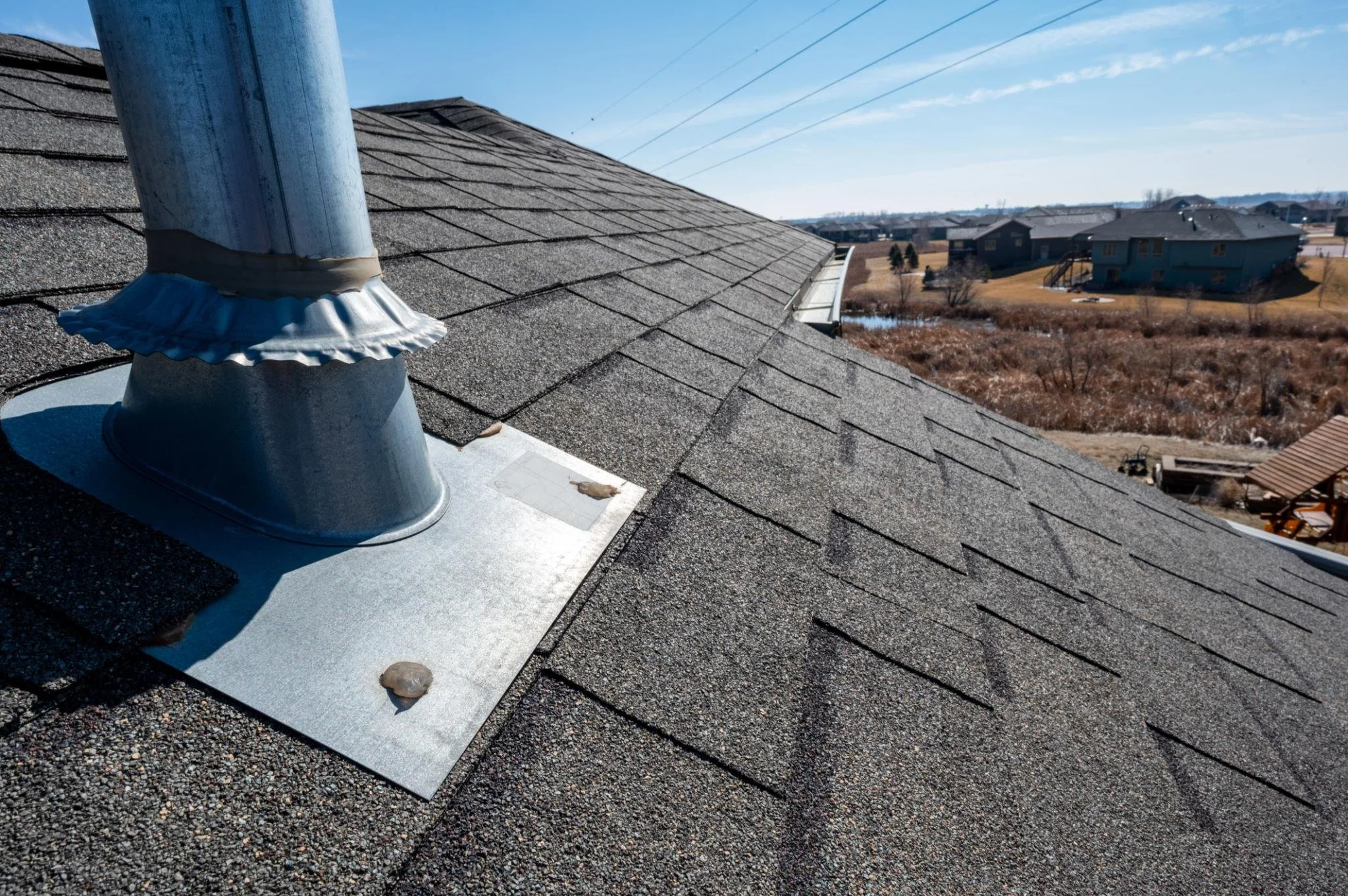
• Around vents and pipes. These are small openings that rely on proper sealing
• Valleys. This is where water is concentrated and moves quickly
• Roof edges. This is where water exits and materials change
• The exact spot that was repaired and what is directly around it
You are not looking at the whole roof. You are looking at what that section is responsible for.
What matters and what does not
What matters is whether that specific area is performing the way it should.
If it is not, it does not matter that the rest of the roof is new.
What does not matter is how good the roof looks overall. A clean surface does not tell you anything about how those key areas were built.
What to do next
If an issue shows up on a newer roof, do not assume it is minor just because of the age.
Focus on the section, not the roof as a whole.
Ask yourself:
What is this area supposed to be doing
Is it handling water correctly
Has anything already been done here
That is what determines whether it is a one time fix or something that will come back.
What to avoid
Do not treat a newer roof like it should not have problems.
That mindset is where issues get ignored until they get worse.
Do not fix one small spot without looking at the surrounding area.
That is how repeat issues start.
When to take it more seriously
If the same area needs attention more than once, or the issue does not line up clearly, it is not just a small defect.
It is a section of the roof that is not performing the way it should.
That is what needs to be understood.
Final thought
A newer roof does not mean you are in the clear.
It just means the materials are new.
How it performs still comes down to how those critical areas were handled and how they are holding up now.
Disclaimer
This article is provided for general educational purposes only and is intended to help homeowners better understand common conditions related to roof leaks and moisture intrusion. It is not a diagnosis, a scope of work, or a recommendation for any specific repair.
Every home is different. Conditions can vary based on age, materials, prior work, weather exposure, and construction methods. What appears to be a minor issue may involve underlying conditions that are not visible without a proper on site evaluation.
No action should be taken based solely on this information. Any inspection, repair, or replacement decisions should be made with a qualified professional who can assess the specific conditions of the property.
The author and publisher assume no responsibility or liability for any actions taken or not taken based on the content of this article, or for any outcomes resulting from reliance on this information.
