

Why Roof Problems Often Start at the Edges, Not the Middle
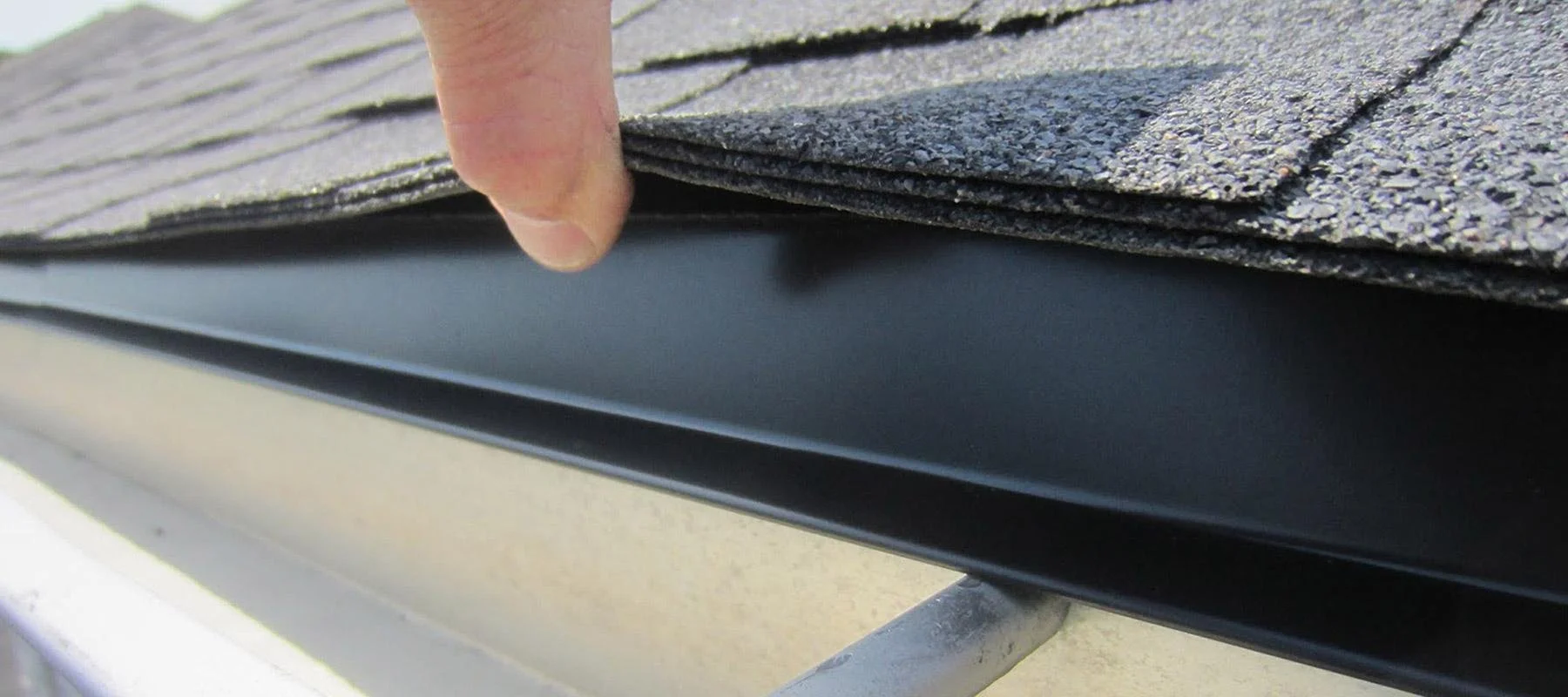
What you’re not looking at and why it matters
When most people look at a roof, they look at the big open areas.
That’s what stands out. That’s what feels important.
But that’s usually not where problems start.
They start at the edges.
What you’re seeing
From the ground, the center of the roof looks fine.
Everything lines up. Nothing looks out of place.
The edges are harder to see. They’re thinner, more detailed, and where the roof meets other materials.
Because of that, they don’t get much attention.
What it usually means
The middle of the roof is built to shed water.
The edges are where water is handled.
That’s where it turns, exits, or meets something else.
Those areas deal with more movement, more exposure, and more stress over time.
That’s why they tend to change first.
What to check
If you’re trying to understand how the roof is doing, don’t stay focused on the middle.
Look at where things come together.
Start with:
• Where the roof meets the fascia or drip edge
• Around gutters and where water leaves the roof
• Roof-to-wall transitions along the perimeter
• Corners where different roof sections meet
• Any edge areas that have already been worked on
Those areas will tell you more than the rest of the roof.
What matters and what doesn’t
What matters is how those edge areas are holding up.
If they’re starting to separate, shift, or break down, that’s where problems begin.
What doesn’t matter is that the rest of the roof looks clean and uniform.
That can stay intact while the edges are already changing.
What to do next
If you’re looking at your roof or having it evaluated, make sure attention is going to the edges.
Not just the shingles in the middle.
Those transition areas are what control how the roof performs.
What to avoid
Don’t assume that the most visible part of the roof is the most important.
That’s where people miss early issues.
And don’t focus only on shingles while ignoring where the roof connects to everything else.
When to take it more seriously
If you start seeing wear, separation, or repeat repairs along the edges, that’s worth paying attention to.
That’s usually where things are starting to change.
Final thought
The center of the roof sheds water.
The edges control it.
That’s where you want to be paying attention.
Disclaimer
This article is provided for general educational purposes only and is intended to help homeowners better understand common conditions related to roof leaks and moisture intrusion. It is not a diagnosis, a scope of work, or a recommendation for any specific repair.
Every home is different. Conditions can vary based on age, materials, prior work, weather exposure, and construction methods. What appears to be a minor issue may involve underlying conditions that are not visible without a proper on site evaluation.
No action should be taken based solely on this information. Any inspection, repair, or replacement decisions should be made with a qualified professional who can assess the specific conditions of the property.
The author and publisher assume no responsibility or liability for any actions taken or not taken based on the content of this article, or for any outcomes resulting from reliance on this information.
