

Should You Paint First… or Do the Floors First
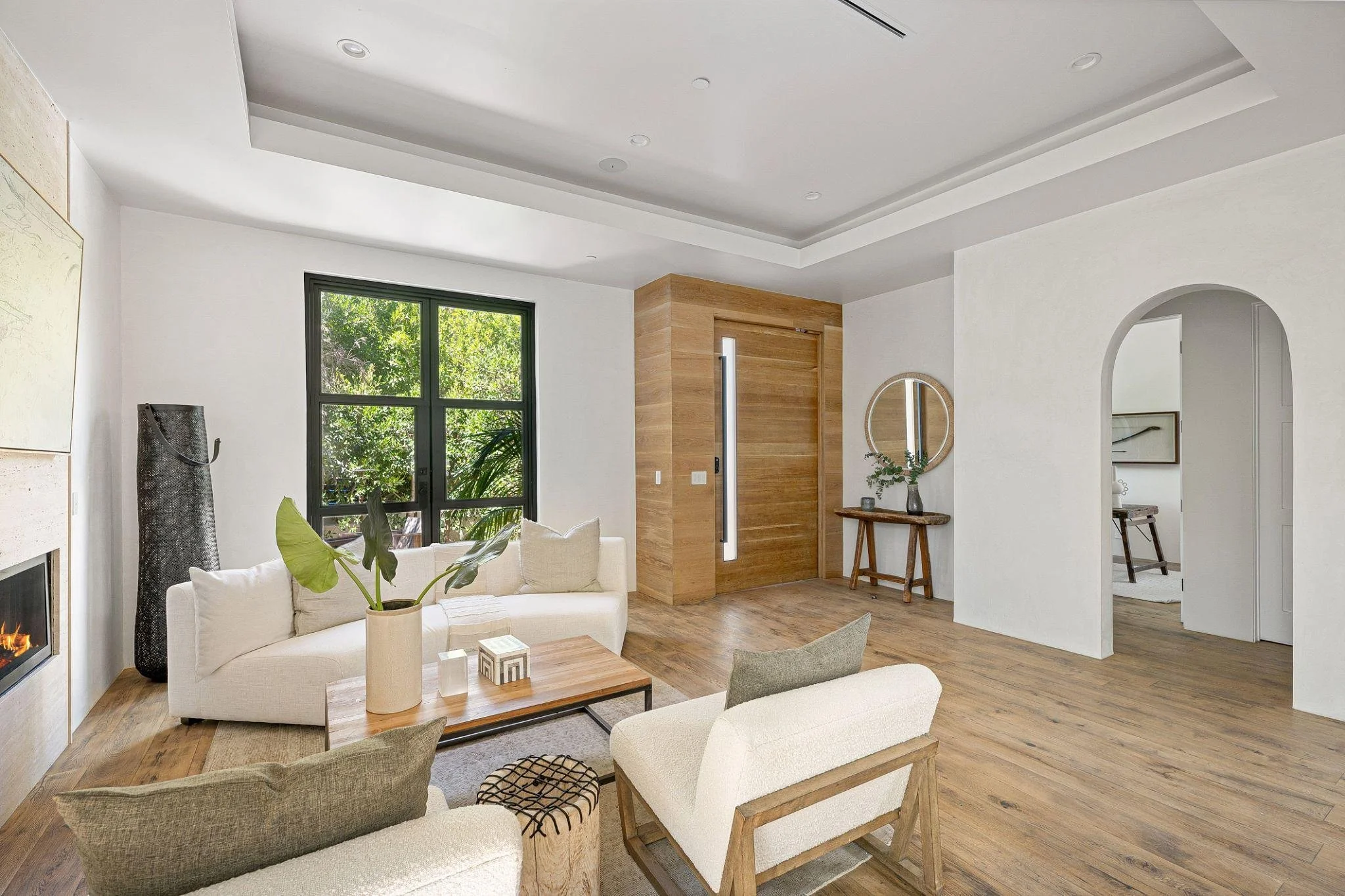
And why the order matters
You’re updating your home. New floors. Fresh paint.
At some point, the question comes up—what goes first?
There are a lot of opinions on this, but it really comes down to one thing: control. Not just getting it done, but how clean everything looks when it’s finished.
Start with paint
Painting first gives you a clean start.
You’re not working around new flooring. You’re not trying to protect it. You’re not worrying about every ladder move or drop of paint.
You can move freely and get full coverage the way it should be done.
Then install the floors
Once the paint is done, the flooring goes in.
Now the work is focused at the bottom of the room, and the walls are already finished.
You may have a few small touch-ups after. That’s normal. It’s a lot easier to touch up a wall than it is to protect a brand-new floor through an entire paint job.
Baseboards finish it
Baseboards should come off before the flooring goes in.
That allows the new floor to sit correctly and keeps the edges clean.
Once the floor is installed, baseboards go back on or get replaced. Then they’re painted.
That’s what gives you a clean, finished line where everything meets.
Where people get it wrong
They treat these as separate projects.
Paint one time. Floors another.
But they overlap more than people expect. That’s when things start to feel pieced together or get reworked.
Keep the order simple
Paint first
Then flooring
Then baseboards
Each step builds on the one before it.
What to do before you start
Decide the order upfront.
Not just what you’re doing, but how it’s going to happen.
That’s what keeps the project moving clean from start to finish.
Who to call
If you’re coordinating both, work with someone who understands how these pieces connect.
For the final stage, an experienced painter can handle baseboards and touch-ups so everything comes together clean.
Final thought
It’s not just about getting it done.
It’s about how it comes together in the end.
Disclaimer
This article is provided for general educational purposes only and is intended to help homeowners better understand common interior project considerations. It is not a diagnosis, a scope of work, or a recommendation for any specific project.
Every home is different. Conditions can vary based on materials, installation, and prior work. What appears to be straightforward may involve additional steps that are not visible without proper evaluation.
No action should be taken based solely on this information. Any decisions should be made with a qualified professional who can assess the specific conditions of the space.
The author and publisher assume no responsibility or liability for any actions taken or not taken based on the content of this article, or for any outcomes resulting from reliance on this information.
