

Why Rust Keeps Coming Back on Exterior Ironwork
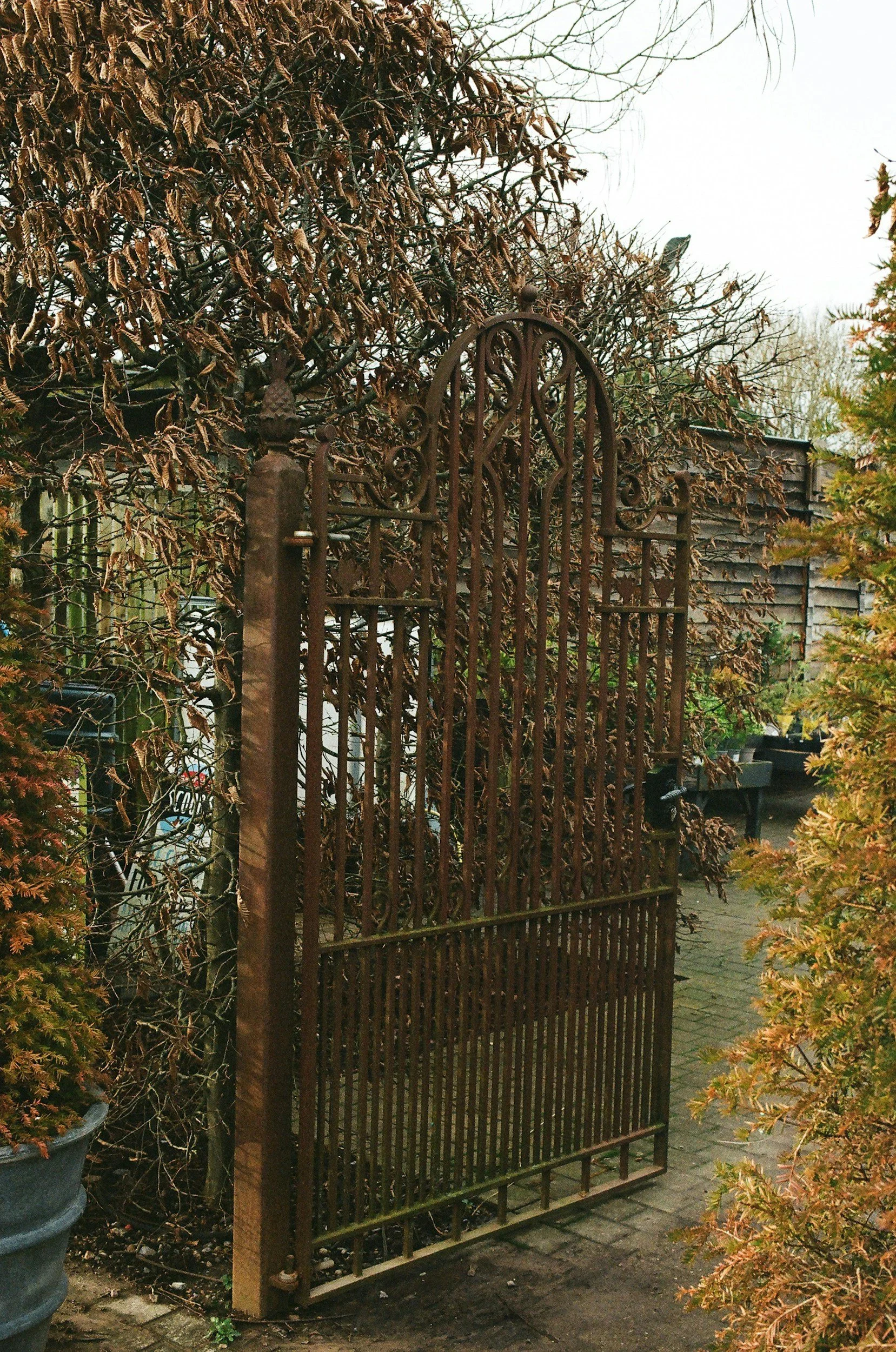
And why painting over it doesn’t fix it
You see rust on your gate, so you paint it. It looks clean again for a while, then it shows back up in the same spots. Along the bottom, around hinges, at the joints. That’s not random.
What you’re seeing
Rust coming back through the coating, usually in the same areas every time. The rest of the gate can look fine, which makes it feel like a small issue. It’s not.
What’s actually happening
Rust doesn’t stop because you covered it. If it’s still there, it keeps working under the paint. The surface may look finished, but underneath, nothing changed.
What rust actually does to metal
Rust isn’t just on the surface. It breaks the metal down.
As it forms, it eats into the steel and changes its structure. The surface starts to pit, weaken, and lose integrity. Over time, what was once solid metal becomes thinner and more brittle.
That’s why you start to see rough, uneven areas, flaking, and in more advanced spots, small sections that begin to open up.
Rust also expands as it forms. That expansion pushes against the coating on top of it, which is why paint starts to lift, crack, and fail around those areas.
It doesn’t stay the same. It spreads.
Why it keeps coming back
Because the surface wasn’t taken back far enough.
If rust is left behind, even in small amounts, it spreads under the new coating. Add moisture, air, and heat, and it continues. That’s why the same areas fail again.
Where it starts
On gates, it always shows up where the conditions are worst. The bottom rail where water sits, around hinges where movement breaks the coating, and at joints and welds where moisture gets in. Those areas take more exposure, so they break down first.
What most people get wrong
They treat it like a paint issue. Light sanding, a new coat, and move on. It looks better, but nothing about the condition changed, so it doesn’t last.
What actually matters
How far the surface is taken back before it’s coated.
If you’re not getting down to clean metal, the problem is still there. The coating doesn’t fix that. It just delays it.
What proper repair looks like
The gate needs to be taken down to clean, solid metal in the affected areas. Not smoothed over and not coated over.
From there, it needs to be primed correctly. That step matters. Primer bonds to the metal and blocks rust from continuing underneath.
After that, the finish coat needs to be the right type of product. Not all paint holds up on metal. You need something designed for it, whether that’s a direct-to-metal coating or a urethane enamel that can handle exterior exposure and movement.
That combination is what actually stops the cycle.
What to do next
If rust keeps coming back on your gate, don’t repaint it the same way. The process and the products both need to change.
Who to call
If it’s light surface rust on a gate, an exterior painter can handle proper prep, priming, and coating.
If the rust is heavier, especially around hinges or structural sections, you may need someone who can grind it back properly or assess whether parts of the gate need repair.
If it keeps returning in the same areas, the prep wasn’t taken far enough the first time.
What to avoid
Don’t paint over rust. Don’t skip primer. Don’t use standard paint that isn’t designed for metal. And don’t ignore where it keeps coming back.
When to take it more seriously
If the metal is pitting, flaking, or weakening, that’s no longer surface rust. That’s deterioration.
Final thought
If you don’t remove the rust, it doesn’t go away.
Disclaimer
This article is provided for general educational purposes only and is intended to help homeowners better understand common conditions related to exterior finishes. It is not a diagnosis, a scope of work, or a recommendation for any specific repair.
Every home is different. Conditions can vary based on materials, installation, exposure, and structural factors. What appears to be a minor issue may involve underlying conditions that are not visible without a proper on site evaluation.
No action should be taken based solely on this information. Any inspection, repair, or replacement decisions should be made with a qualified professional who can assess the specific conditions of the property.
The author and publisher assume no responsibility or liability for any actions taken or not taken based on the content of this article, or for any outcomes resulting from reliance on this information.
